Mastering Halloween Graphic T-Shirt Design for Print
There is a specific energy to Halloween that goes beyond just candy and costumes. It is a massive commercial opportunity, particularly in the apparel market. However, the difference between a t-shirt that sits in a drawer and one that becomes a seasonal favorite often comes down to the technical execution of the design file. When we talk about a professional Halloween Graphic T-shirt Design, we are referring to a specific workflow that prioritizes scalability and versatility. You are not just buying an image; you are acquiring a structured set of design assets intended for production.
The foundation of a reliable graphic for merchandise is the vector format. In this context, "Made with 100% vector shapes" is the most critical specification to understand. Unlike raster images, which are made of pixels and degrade when you enlarge them, vector graphics use mathematical equations to draw lines and curves. This means you can scale a pumpkin skull or a spooky font from a small chest logo to a massive back print without losing a single pixel of sharpness. For entrepreneurs and print-on-demand sellers, this resizeable nature is non-negotiable. It ensures that whether you are printing on a youth medium or a 5XL tall, the edges remain crisp and professional.
Adapting Designs for Dark Apparel
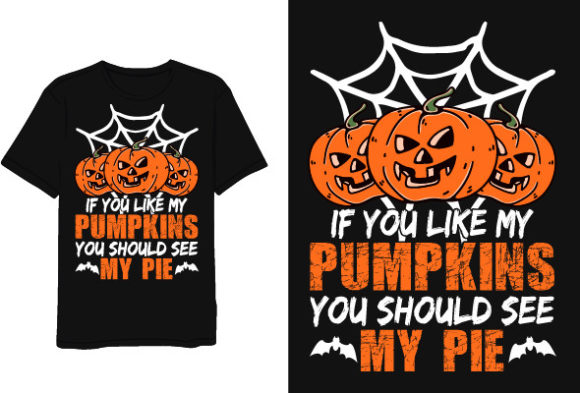
One of the most common challenges in apparel design is color management, specifically regarding the substrate—the shirt itself. Most Halloween apparel naturally gravitates toward black, charcoal, or deep orange fabrics. The product description highlights "Possible and easy change color for dark t-shirt," which speaks to the flexibility of the asset. A professional design file usually separates the graphic elements from the background, allowing the designer to toggle visibility or change fills easily.
If you are a designer or a small business owner, this feature allows you to test different color palettes against various fabric shades. You might want a neon green slime effect on a black shirt, but a vintage cream look on a grey heather. Because the source files (typically Ai or Eps) are included, you have total control over the color values. You can match specific hex codes to your brand guidelines or adjust the contrast to ensure the design pops against the dark fabric weave. This level of customization is what separates generic clipart from a usable commercial asset.
File Formats and Production Readiness
Understanding the file ecosystem is essential for a smooth production process. A package that includes Ai 10 (Adobe Illustrator) and Eps 10 formats is the industry standard for vector editing. These are your "source" files. Think of them as the raw ingredients where you can deconstruct the graphic, change fonts, or modify shapes. This is where you would do your heavy lifting if you need to tweak the design to fit a specific brand identity.
However, not everyone has access to professional design software like Adobe Illustrator. This is where the SVG and PNG files become vital. SVG (Scalable Vector Graphics) is excellent for web use or cutting machines like Cricut and Silhouette, as it maintains vector properties in a browser-friendly format. The PNG Transparent (300 DPI) file is the "ready to print" workhorse. At 300 DPI (dots per inch), the resolution is high enough for high-quality DTG (Direct to Garment) printing without pixelation. The transparent background allows you to layer the graphic onto mockups or print directly onto shirts without a white bounding box interfering with the fabric color.
Strategic Applications for Creatives
The utility of a high-quality Halloween design extends far beyond simple t-shirts. For content creators and marketers, these assets serve as versatile design assets for seasonal campaigns. Consider the visual hierarchy of a marketing campaign: the graphic sets the tone. A bold, thematic design can anchor a social media post, an email header, or a website banner. Because the files are vector-based, they adapt seamlessly to web design and social media graphics without slowing down load times or looking blurry on high-resolution screens.
For those in packaging design, a scalable Halloween motif can be adapted for stickers, box inserts, or tissue paper patterns. The ability to change colors easily means you can create a cohesive brand identity for a seasonal product launch. Imagine a coffee roaster releasing a "Midnight Brew" blend; the same vector graphic could be used on the coffee bag label, the promotional t-shirts for the staff, and the flyer for the launch event. This consistency builds brand recognition and projects a level of professionalism that builds trust with the audience.
Evaluating Fit and Typography
When selecting a design, it is helpful to view the graphic through the lens of modern typography and layout principles. Even if the design is illustrative, it functions like a display font—it needs to grab attention quickly. You should evaluate the "personality" of the design. Does it lean towards a gritty, horror aesthetic, or is it more playful and cartoonish? This visual personality needs to align with your target audience.
If the design includes text, consider how it pairs with other typefaces you might use in your marketing materials. A spooky, jagged graphic might pair well with a clean sans serif font for body text to ensure readability. Conversely, a vintage-style Halloween illustration might sit nicely alongside a serif font or a script font for a nostalgic feel. Testing these font pairings in your mockups is a practical step in the design process. It ensures that your t-shirt design doesn't exist in a vacuum but integrates into your broader creative ecosystem.
Ultimately, investing in a well-structured, vector-based Halloween graphic is about efficiency and quality. It removes the technical barriers to production, allowing you to focus on the creative application. Whether you are printing a batch of shirts for a local event, selling on a marketplace, or creating digital content, having a "ready to print" asset with full color control and source files ensures that the final product looks exactly as intended—sharp, vibrant, and professional.