Unlocking Creativity with Cat Illustration Graphics
There is a distinct charm to a well-executed cat illustration graphic. It goes beyond a simple doodle or a generic stock image. We are talking about digital design assets created with a specific artistic intent—capturing the feline form with personality, style, and a level of detail that makes a project feel considered. Whether it is a whimsical line drawing, a bold geometric shape, or a realistic portrayal, these illustrations serve as versatile building blocks. They are not just pictures; they are components of a larger brand identity or creative vision. For designers, entrepreneurs, and crafters, having access to a high-quality set of these graphics is like having a secret weapon for visual storytelling.
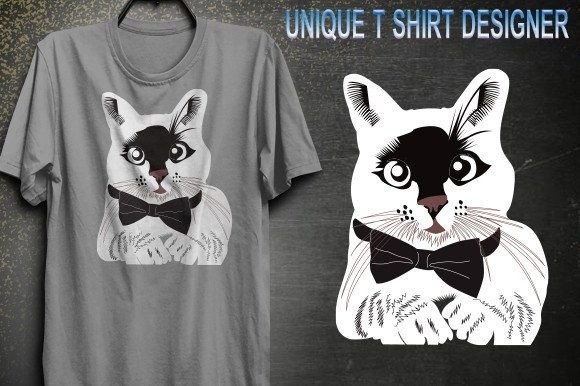
The true value of a premium cat illustration lies in its adaptability. Imagine a sleek, minimalist cat silhouette that becomes the cornerstone of a modern pet boutique's logo. Picture a playful, hand-drawn kitten that brings warmth to a children's book cover or a set of social media graphics. The visual characteristics matter immensely. Is the line work clean and precise, suited for engraving and vinyl decals? Is it filled with texture and organic strokes, perfect for adding a human touch to printable decoration or clothes printing? The personality of the illustration directly communicates with your audience before a single word is read.
Practical Applications Across Industries
The utility of these digital clip art files spans a remarkable range of projects. For the crafter using a cut machine, a vector-based cat graphic is essential. Files in AI, eps, or SVG format allow for infinite scaling without loss of quality, meaning the same design can be used for a tiny sticker or a large wall decal. This scalability is fundamental for commercial font and design asset use. A small business owner creating product labels needs consistency; the illustration must look as sharp on a bottle as it does on a website banner.
Consider the world of editorial design and publishing. A blogger writing about feline care or a magazine editor planning a pet feature can use these illustrations to create engaging visual breaks, custom headers, or sidebar decorations. They add a layer of professional polish that generic clipart cannot match. For packaging design, a charming cat illustration can differentiate a product on a crowded shelf, appealing directly to a target demographic of animal lovers. It becomes part of the product's story.
The files provided—often including png and jpeg versions—ensure compatibility across software. A png with a transparent background is invaluable for layering over photographs or complex color schemes in web design or social media graphics. A dxf file might be specifically needed for certain industrial cutting or plotting applications. This variety is not a luxury; it is a practical necessity for efficient workflow across different platforms and end-uses, from iron-on transfers for custom apparel to cards & invitation design for events.
Integrating Graphics into Your Brand and Design System
Using an illustration effectively requires more than just placing it on a page. It demands consideration of visual hierarchy and brand perception. A consistent style of illustration can become a recognizable element of your brand identity, much like a specific typeface or color palette. If you choose a cat illustration with a modern, geometric style, it should align with other modern typography and design elements you use. Mixing a playful, hand-drawn cat with a severe, corporate sans serif font can create cognitive dissonance for the viewer.
This is where font pairing becomes an interesting parallel. Just as you would test how a display font works with a body copy serif font, you should evaluate how your chosen cat illustration interacts with your text. Does it complement or compete? A detailed illustration might pair best with a simple, clean script font or a straightforward sans serif. The goal is harmony, ensuring the graphic enhances the message rather than cluttering the design. Always test the combination in the context of your final medium—view it on screen, print a proof, or mock it up on a product.
Making the Right Choice for Your Project
When selecting a cat illustration graphic, start with the end in mind. Scrutinize the style: does the line weight, level of detail, and overall aesthetic match the mood of your project? A sophisticated, monoline cat might suit a luxury brand, while a colorful, textured one could be perfect for a children's product. Examine the file formats provided. For most digital and print applications, vector formats (AI, eps, SVG) are invaluable for their editability and scalability. PNG and JPEG are ready-to-use for quick implementation.
Always review the licensing terms, especially for commercial use. Understand what is permitted for products you sell, like stickers, printed merchandise, or digital invitations. A clear commercial license is part of the asset's value. Finally, think about versatility. A single well-designed cat character can be adapted in numerous ways—rotated, recolored, combined with text, or used as a repeating pattern. It is not just a single image but a component of your creative toolkit.
In the end, the right cat illustration graphic is one that feels intentional. It resonates with your audience, fits seamlessly into your workflow, and elevates the quality of your output. It is a small detail that, when chosen with care, makes a significant professional impact.